
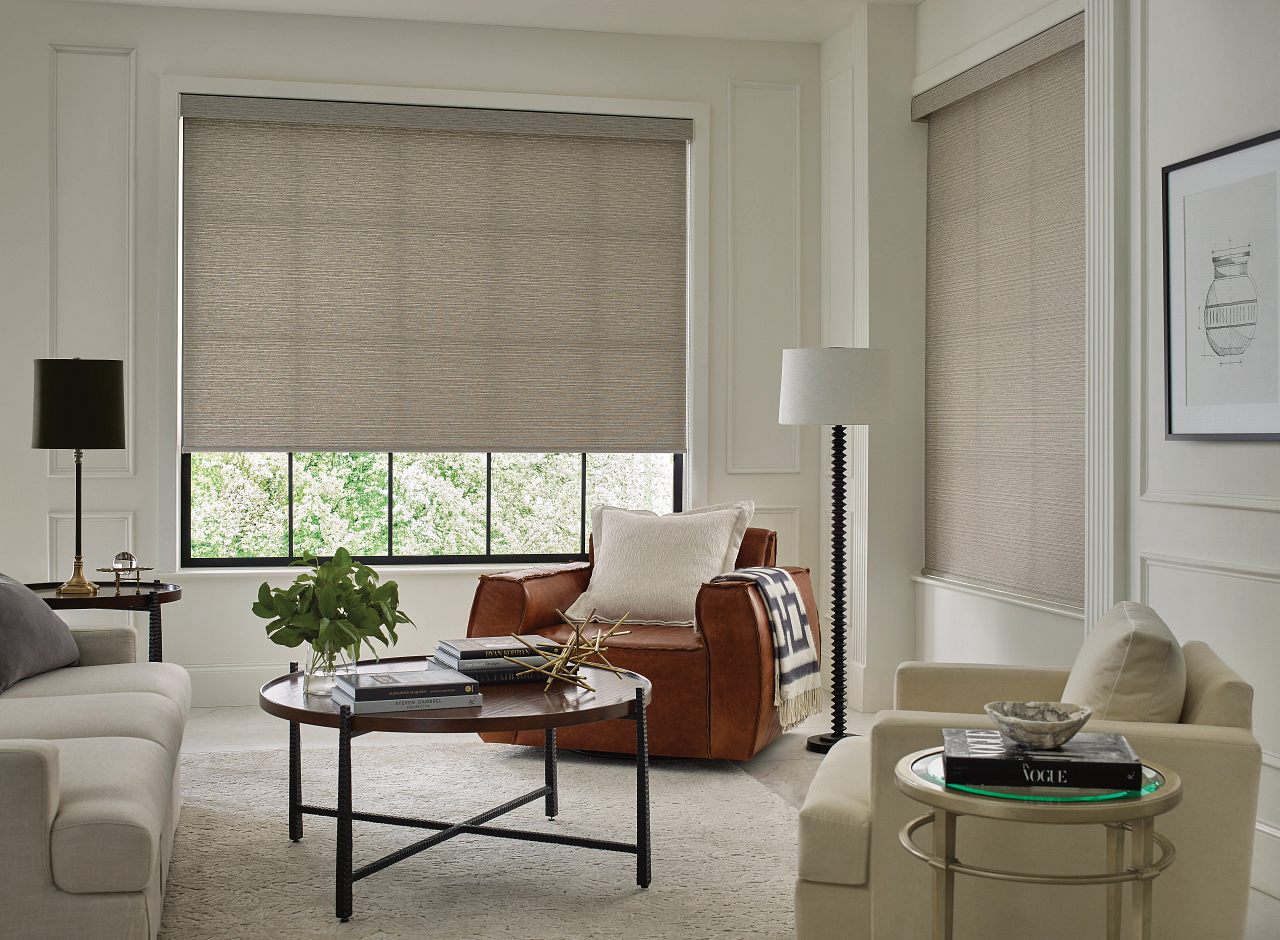
Windows make a home feel open, bright, and connected to its surroundings, but they can also be a major source of unwanted heat gain and heat loss. In Reston, where humid summers give way to cold winter nights, homeowners often notice that rooms with large or numerous windows are harder to keep comfortable. Choosing energy-efficient window shades in Reston can help manage these challenges while adding privacy, glare control, and a polished appearance to the home.
The Blind, Shade & Shutter Co. provides custom blinds, shades, and shutters throughout Fairfax County, Loudoun County, northern Fauquier County, Prince William County, and Clarke County. Our team helps homeowners compare energy-efficient window shades in Reston based on the window, room, sun exposure, and daily routine rather than relying on a one-size-fits-all recommendation. Call 703-669-2400 or email info@blindsco.com to begin planning window treatments suited to your Northern Virginia home.
Why Windows Affect a Home’s Comfort
Even a well-maintained window typically insulates less effectively than a properly insulated wall. During winter, indoor heat moves toward colder surfaces, and the area beside a window may feel chilly. In summer, sunlight passing through glass can warm flooring, furniture, and other surfaces. That stored heat radiates into the room and can make the space uncomfortable long after the sun changes position.
Air leakage, window age, glass type, frame condition, orientation, and exterior shade all influence the result. A west-facing family room may become hot late in the day, while a north-facing bedroom may feel cool in winter without receiving much direct sun. Tall trees can protect one side of a property while another side remains exposed.
Window treatments cannot repair failed seals, replace damaged windows, or correct inadequate insulation. They can, however, add a useful layer at the glass and give homeowners more control over when sunlight enters. Custom sizing is important because coverage and fit affect how well a shade can support indoor comfort.
How Energy-Efficient Window Shades in Reston Can Help
The primary role of energy-efficient window shades in Reston is to create a more controlled boundary between the room and the glass. When lowered and properly fitted, a shade can reduce direct solar heat entering the room and create an insulating air space near the window. When conditions are favorable, opening the shade allows daylight or winter sunshine to contribute light and warmth.
The best results come from active use. On a hot summer day, shades can be lowered before strong sunlight reaches the glass. On a bright winter morning, homeowners may open shades on sun-facing windows, then close them as temperatures fall in the evening. This seasonal and daily adjustment takes advantage of the window when it helps and limits its effect when it does not.
Material, construction, opacity, color, fit, side gaps, and operating style all matter. A sheer product designed mainly to soften light performs differently from a shade with insulating cells and a room-darkening fabric. A professional consultation helps translate broad efficiency claims into a treatment appropriate for the specific opening.
Cellular Shades and Their Insulating Design
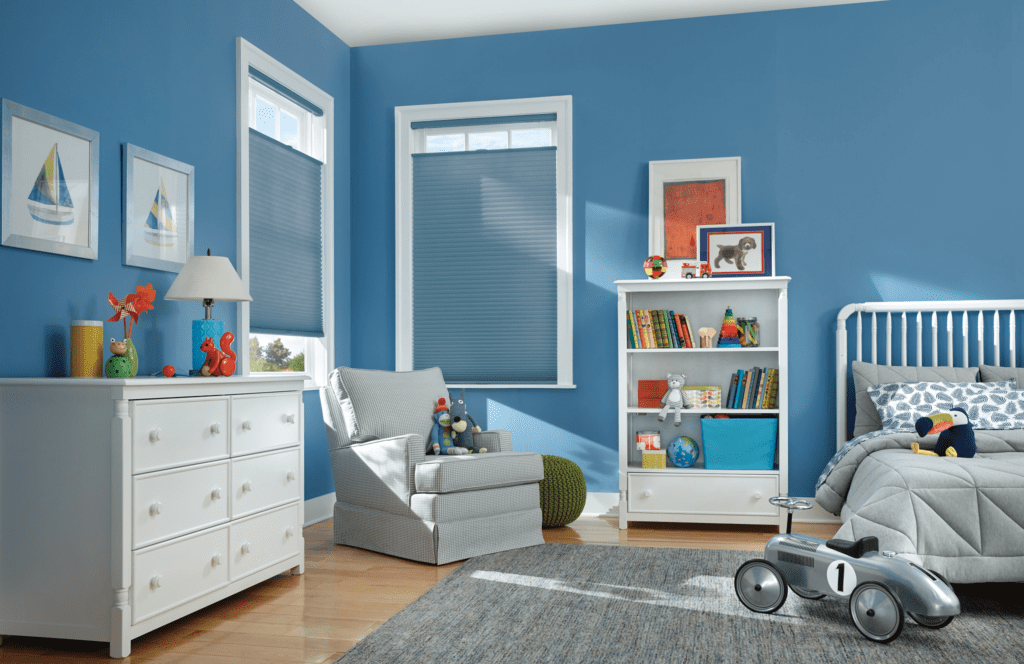
Cellular shades are one of the first products many homeowners consider when energy performance is a priority. Their honeycomb-shaped cells trap air within the shade, creating pockets between the room and the glass. Depending on the collection, cellular shades may be available in single-cell or multiple-cell designs, different cell sizes, and a range of fabric opacities.
The cellular construction can be especially useful on windows that feel cold in winter or receive strong summer sun. A close fit within the window opening may reduce the amount of air circulating around the edges, although normal operating clearances are still necessary. No interior shade creates a perfectly airtight seal, and performance varies by product and installation.
Cellular shades also offer a streamlined appearance that works with many home styles. Their fabric compresses into a relatively compact stack when raised, helping preserve the view. Light-filtering fabrics diffuse daylight, while room-darkening options provide greater light reduction for bedrooms, media spaces, and other rooms where brightness needs to be limited.
For homeowners researching energy-efficient window shades in Reston, cellular shades often provide a strong combination of insulation, light control, and unobtrusive design. The right configuration will depend on window dimensions, desired opacity, color, operating preferences, and budget.
Roman Shades and Layered Fabric Construction
Roman shades create soft folds when raised and a tailored fabric surface when lowered. Their construction can add substance at the window, and available liners may improve privacy, light control, and the sense of separation from the glass. They are often selected when the homeowner wants practical coverage with a more decorative, furnished appearance.
Fabric choice makes a meaningful difference. A lightweight, light-filtering material may soften glare while keeping a room bright. A denser material or room-darkening liner can provide stronger solar control and privacy. Because Roman shades use fabric panels rather than cellular air pockets, their performance characteristics are different from those of honeycomb products.
Fit and mounting position should be evaluated carefully. An outside-mounted shade may extend beyond the glass and reduce uncovered edges, while an inside mount offers a recessed look when sufficient depth is available. The best choice depends on trim, window hardware, projection, and the desired visual effect.
Roller and Solar Shades for Managing Heat and Glare
Roller shades offer clean lines and a broad selection of materials. Solar screen fabrics are engineered to reduce glare and solar heat while maintaining varying degrees of outward visibility. Their openness factor describes how tightly the fabric is woven: a more open weave generally preserves more of the view, while a tighter weave typically provides greater glare and solar control.
Direction matters when choosing solar fabric. A Reston home overlooking trees or a lake may place a high value on maintaining the daytime view. A home office with strong western exposure may need more aggressive glare control so computer screens remain usable. Fabric color can also influence view-through, appearance, and solar performance.
Solar shades are not designed to provide dependable nighttime privacy. When indoor lights are on after dark, visibility through the material can reverse. Homeowners who need privacy around the clock should discuss alternative fabrics or a layered solution within the available product options.
Room-darkening roller shades reduce more incoming light and can help manage solar gain, but small gaps commonly remain at the sides of an inside-mounted treatment. Outside mounting or compatible side-channel options may improve coverage where available. These details are important when selecting energy-efficient window shades in Reston for bedrooms or media rooms.
Natural Light Is Part of the Energy Conversation
Efficiency is not simply about keeping every shade closed. Daylight can reduce the need for artificial lighting, and winter sunlight can provide welcome passive warmth. A thoughtful window-treatment plan makes it easier to use natural light selectively without accepting excessive glare or heat.
Light-filtering shades can diffuse harsh rays across a room, reducing bright spots while preserving an inviting atmosphere. Top-down/bottom-up operation, when available and appropriate, allows the upper portion of a window to admit daylight while the lower portion remains covered for privacy. This can be useful in bathrooms, street-facing rooms, and home offices.
The goal is control. A homeowner should be able to respond to the time of day, season, weather, and activity in the room. Custom energy-efficient window shades in Reston support that flexibility by combining suitable fabric with an operating style that fits everyday habits.
Selecting the Right Opacity
Shade fabrics are commonly described as sheer, light filtering, room darkening, or blackout, although exact terminology and performance vary among manufacturers. These categories affect comfort as well as appearance because they determine how much solar energy and visible light pass through the treatment.
Light-filtering fabrics are popular in kitchens, living rooms, and gathering spaces where daylight is welcome. They soften direct sun and provide different degrees of privacy, depending on color and construction. Room-darkening fabrics block substantially more light and are often appropriate for bedrooms or television rooms.
The word “blackout” usually describes the fabric itself, not the entire installed shade. Light can enter around the edges unless the system includes specialized channels or overlapping coverage. During a consultation, it is helpful to describe the desired result—such as softer glare, better sleep, or maximum darkness—rather than relying only on a product label.
Color Choices and Solar Exposure
Color affects how a shade looks in the room, but it may also influence solar behavior. Lighter exterior-facing surfaces commonly reflect more sunlight, while darker materials may absorb more solar energy. Product construction can complicate this general rule, particularly when fabrics use different colors or reflective materials on the window-facing and room-facing sides.
Interior design still matters. A window treatment covers a significant visual area when lowered, so its tone should work with paint, flooring, cabinetry, and furniture. Samples should be viewed at the actual window because daylight can make a fabric look different from how it appeared under showroom or screen lighting.
A professional can help narrow the options without asking the homeowner to sacrifice the room’s design. Many collections offer neutral, textured, and layered looks with performance features built into the material.
Why Accurate Measuring Improves Performance
A high-performing fabric cannot compensate for a poor fit. If a shade is too narrow, excessive light and air movement may occur along the sides. If it is too large for the opening, it may rub, bind, or fail to operate correctly. Windows that appear rectangular may also be slightly out of square, and their dimensions can vary from top to bottom.
Professional measuring accounts for width, height, depth, trim, handles, locks, screens, and mounting surfaces. The selected product has its own clearance and hardware requirements, so measurements must be interpreted in relation to that exact system.
Custom energy-efficient window shades in Reston are made for the individual openings rather than cut to a generalized size. This supports smoother operation, balanced proportions, and more complete coverage. It is especially valuable in bay windows, unusually tall windows, narrow sidelights, and groups of windows that need aligned shades.
Inside Mount Versus Outside Mount
An inside-mounted shade sits within the window frame and offers a clean, built-in look. This approach preserves visible trim but requires sufficient depth and operating clearance. Small light gaps are usually present at the edges because the shade must move freely.
An outside-mounted shade attaches above or around the opening and can extend beyond the glass. The additional overlap may improve light coverage and help limit solar exposure around the edges. It can also make a window appear taller or broader, depending on placement.
Neither mount is automatically more energy efficient in every home. The decision depends on the window structure, product, fabric, desired coverage, and nearby features. A designer can explain the tradeoffs after inspecting the opening.
Motorization Makes Consistent Use Easier
Even the most capable shades only help when they are positioned appropriately. Motorization can make frequent adjustments more convenient, especially on tall windows, broad glass expanses, or openings located behind furniture. Instead of leaving a hard-to-reach shade in one position, homeowners can raise or lower it using the available control method.
Depending on the selected product, controls may include a handheld remote, wall control, app, or compatible smart-home integration. Available scheduling features can lower shades before afternoon sun reaches a room and reopen them later. Compatibility, connectivity, power source, and automation capabilities vary, so they should be confirmed for the exact shade system.
Motorized energy-efficient window shades in Reston may be particularly valuable in two-story spaces or rooms with multiple windows. Coordinated movement creates a clean appearance and makes it easier to follow a daily comfort routine. Battery-powered and hardwired options may be available depending on the product and the home.
Room-by-Room Shade Planning
Each room creates a different balance of efficiency, privacy, light, and view. A whole-home plan should respond to those differences rather than using the same fabric everywhere.
Living Rooms and Family Rooms
Gathering spaces often benefit from light-filtering cellular shades, solar shades, or roller materials that reduce glare while preserving useful daylight. Television position, seating, window direction, and the desired outdoor view should guide the selection. Large windows may benefit from motorized control for easier daily adjustments.
Bedrooms
Bedrooms usually prioritize nighttime privacy, reduced morning light, and a comfortable sleeping environment. Cellular or room-darkening shade options can address these needs. Edge gaps, outside mounting, and available light-blocking enhancements should be discussed if darkness is especially important.
Home Offices
Reston’s many professionals and remote workers may struggle with screen glare at particular hours. Solar shades can help preserve a daytime view while reducing harsh light, while other shade types may provide stronger privacy. The window’s relationship to the desk and monitor matters as much as its compass direction.
Kitchens and Bathrooms
Kitchens and bathrooms require careful material selection because humidity, splashes, and frequent cleaning may affect suitability. Privacy is often essential in bathrooms, while kitchens may benefit from easy operation and washable surfaces. Product-specific care instructions should be reviewed before ordering.
Seasonal Strategies for Northern Virginia Homes
During summer, close shades on windows receiving direct sun before the glass begins heating the room. East-facing windows may need attention in the morning, while west-facing windows commonly create problems later in the day. South-facing exposures can receive extended sunlight, although roof overhangs and trees may change the pattern.
In winter, open sun-facing shades when direct sunlight can contribute warmth. Close them again after the sun moves away or temperatures drop. Shades on windows that receive little winter sun may remain closed longer when privacy and comfort are priorities.
Spring and fall require flexibility because conditions change quickly. The ability to adjust energy-efficient window shades in Reston lets homeowners respond to a cool morning, sunny afternoon, and chilly evening without changing the treatment itself. This control is one reason operation and accessibility should be considered during product selection.
Understanding Energy Savings Without Overpromising
Window shades can support a more comfortable and efficient home, but precise savings cannot be guaranteed without considering the entire building. HVAC condition, thermostat settings, window quality, insulation, air sealing, home size, weather, and occupant behavior all affect energy use.
Product performance also varies. Some manufacturers provide testing information or ratings for specific configurations. Those results should be interpreted in context because a laboratory-tested product may perform differently depending on fit, window type, and real-world use.
It is more accurate to view shades as one part of a broader comfort strategy. Sealing obvious air leaks, maintaining heating and cooling equipment, using ceiling fans appropriately, and addressing damaged windows can complement the benefits of custom treatments. The Blind, Shade & Shutter Co. can explain window-covering features without making unrealistic promises about a utility bill.
Energy-Efficient Shades for Condominiums and Townhomes
Condominiums and townhomes may have large windows, limited exterior shading, close neighboring sightlines, or association rules affecting what is visible from outside. Interior shades can help address comfort and privacy without altering the exterior structure, but homeowners should review any applicable community requirements.
Compact rooms make stack size and furniture clearance especially important. A treatment that projects too far or requires awkward access can interfere with the space. Custom sizing helps energy-efficient window shades in Reston use the available depth efficiently, while motorization may improve access behind a sofa, desk, or bed.
When comparing energy-efficient window shades in Reston for an attached home, discuss exterior-facing color requirements, privacy, window depth, sun direction, and the location of nearby residences. These practical details lead to a more useful recommendation than selecting from appearance alone.
What to Expect During a Consultation
An in-home consultation allows the design professional to see when and where sunlight enters, how the room is used, and what obstacles affect the windows. Homeowners can describe rooms that feel hot, cold, exposed, or uncomfortably bright. The professional can then compare cellular, roller, solar, Roman, and other suitable shade options.
Samples reveal more than an online image. Homeowners can see how fabric filters daylight, coordinates with the interior, and affects the outward view. The consultation also addresses control preferences, child and pet considerations, mounting style, motorization, and budget.
The windows are measured after the appropriate product and installation approach are identified. Once energy-efficient window shades in Reston are ordered and produced, professional installation helps ensure secure mounting, correct alignment, and proper operation. The homeowner can also receive guidance on use and maintenance.
Serving Reston and Surrounding Northern Virginia Communities
The Blind, Shade & Shutter Co. serves Reston and other communities throughout Fairfax County, including nearby Herndon, Great Falls, Vienna, Oakton, Chantilly, Fairfax, Centreville, Springfield, and surrounding areas. The company’s broader service region includes Loudoun County, northern Fauquier County, Prince William County, and Clarke County.
Northern Virginia includes everything from established single-family homes to newer townhomes, condominiums, and rural properties. Window sizes, architecture, tree coverage, and sun exposure vary considerably across this region. Local, in-home guidance makes it possible to account for those differences.
Homeowners seeking energy-efficient window shades in Reston benefit from recommendations based on the actual room rather than a generic climate description. A shaded lower-level window may need privacy more than solar control, while an upper-story western window may demand substantial glare and heat management.
Questions to Ask Before Ordering
Ask which shade type best addresses the room’s specific problem and why. Confirm the fabric opacity, expected privacy during day and night, likely side gaps, and how much view will remain. Discuss whether inside or outside mounting provides the preferred appearance and coverage.
If motorization is being considered, ask about power, charging or battery replacement, controls, scheduling, connectivity, and manual-operation provisions. For specialty windows, ask how multiple shades will align and whether seams, gaps, or separate controls are required.
Review cleaning instructions, warranty coverage, production expectations, and installation. Most importantly, explain how the room behaves throughout the day. The time when glare or heat occurs can substantially change the recommendation.
Choose Shades for Comfort, Control, and Lasting Style
The most effective window treatment is one that homeowners will use consistently. It should be easy to operate, appropriate for the room, attractive in open and closed positions, and fitted accurately to the window. Efficiency features are valuable, but they work best when combined with thoughtful light management and realistic expectations.
Custom energy-efficient window shades in Reston can reduce direct sun, create an insulating layer near the glass, improve privacy, and make bright rooms easier to enjoy. Cellular construction, solar fabrics, opacity, mounting, color, and motorization all offer different benefits. A design consultation helps turn those choices into a coordinated plan.
Schedule a Consultation With The Blind, Shade & Shutter Co.
If certain rooms feel too hot in summer, too cool in winter, or difficult to use because of glare, it may be time to explore energy-efficient window shades in Reston. The Blind, Shade & Shutter Co. will help you compare custom options for your windows and daily routine, then provide professional measuring and installation.
Call 703-669-2400 or email info@blindsco.com to schedule a consultation. The team serves homeowners across Fairfax County, Loudoun County, northern Fauquier County, Prince William County, and Clarke County with custom blinds, shades, and shutters designed for Northern Virginia homes.
Comments are closed