

Window treatments influence far more than the finishing look of a room. They shape privacy, sunlight, views, temperature comfort, and the way a homeowner uses the space from morning through evening. For people who appreciate tailored architecture and practical light control, plantation shutter installation in Warrenton offers a timeless solution made specifically for the home.
Unlike ready-made window coverings, custom interior shutters are measured for each opening and configured around the window’s proportions, trim, depth, and operating style. Their adjustable louvers provide flexible control without requiring the entire covering to be raised. With professional guidance from The Blind, Shade & Shutter Co., Warrenton homeowners can choose a shutter design that complements both the home’s character and the needs of everyday life.
The Blind, Shade & Shutter Co. serves Warrenton and northern Fauquier County, as well as Loudoun County, Fairfax County, Prince William County, and Clarke County. An in-home consultation allows each recommendation to reflect the actual windows, lighting, furnishings, and architectural details of the property.
Why Interior Shutters Suit Warrenton Homes
Warrenton is known for its small-town character, historic influence, scenic surroundings, and range of home styles. The area includes older residences with distinctive trim, traditional suburban homes, renovated properties, and newer construction. Interior shutters can work across these settings because they are architectural rather than trend-dependent.
Well-planned plantation shutter installation in Warrenton can make a window look more substantial and complete. The shutter frame creates a tailored border, while the panels and louvers introduce clean, repeating lines. Depending on the finish and configuration, the result can feel classic, transitional, farmhouse-inspired, or quietly contemporary.
The appeal is not purely visual. Shutters remain at the window and are adjusted with the tilt mechanism or by opening the panels. That straightforward operation gives homeowners several ways to respond to changing daylight. Louvers can be angled upward for privacy, turned to reduce direct glare, or opened to admit a broad wash of light. Panels can also swing open when a completely unobstructed window is desired.
What Makes Plantation Shutters Different?
The phrase “plantation shutters” generally refers to interior shutters with adjustable louvers, often wider than those found on some traditional shutter styles. Today, many homeowners and professionals also use the simpler term “interior shutters.” Whatever terminology is preferred, the product is distinguished by its rigid frame, hinged panels, and controllable louvers.
Shutters are not the same as blinds. Blinds typically consist of slats suspended by cords or ladders within a headrail. With plantation shutter installation in Warrenton, adjustable louvers are secured inside solid panels attached to a custom frame. The construction creates an integrated, furniture-like appearance and gives the window a strong architectural presence.
Custom shutters are also different from standard sizes purchased from a shelf. Windows that appear identical can vary slightly in width, height, squareness, depth, trim, and hardware placement. Professional measurements account for these differences so the finished unit fits the actual opening rather than an assumed size.
Benefits of Custom Shutters
Homeowners often begin by considering the appearance of shutters, then discover that their day-to-day performance is equally important.
Precise Control of Sunlight
Adjustable louvers allow sunlight to be redirected rather than simply admitted or blocked. During bright periods, the louvers may be tilted to reduce direct rays while preserving ambient light. At other times, opening the louvers can make the room feel bright and connected to the outdoors.
This flexibility makes plantation shutter installation in Warrenton useful in rooms where conditions change during the day. An east-facing breakfast area may receive sharp morning sun, while a west-facing family room may need relief later in the afternoon. Each shutter can be adjusted according to the window’s exposure and the activity taking place nearby.
Flexible Privacy
Shutters can provide privacy while allowing some daylight to remain. Angling the louvers can limit sightlines from outside, which is useful for street-facing rooms, ground-level bedrooms, bathrooms, and home offices. The appropriate louver direction depends on window height and exterior viewing angles, so the best position may vary by room.
Certain shutter configurations divide the louvers into independently controlled sections. This can allow the lower portion to remain more private while the upper portion admits additional light. Split control is particularly helpful when a window faces a sidewalk or nearby home.
A Built-In Appearance
Fabric and slatted window coverings can be beautiful, but shutters have a distinct architectural quality. Their frames can relate to casings, baseboards, cabinetry, and doors, helping the window feel like a permanent part of the room design. A carefully selected white or neutral finish can blend with trim, while other finishes may create deliberate contrast.
The ideal finish should be evaluated in the home. White paint colors vary in warmth, brightness, and undertone, and a sample that looks neutral in a showroom may appear cooler or creamier beside existing trim. Viewing options in the room’s natural and artificial light helps create a more cohesive result.
Straightforward Everyday Operation
Shutters do not need to be lifted each day to manage light. Most adjustments can be made by changing the louver angle. Depending on the product, louvers may move through a visible tilt rod or a more discreet rear or hidden tilt mechanism.
For households seeking an uncomplicated window treatment, plantation shutter installation in Warrenton provides controls that are easy to understand. Homeowners can set different positions throughout the house without relying on remotes, apps, or programmed schedules.
Durability and Lasting Style
Quality shutters are designed for repeated use, but material, manufacturing, installation, environment, and care all affect long-term performance. Their enduring appeal comes partly from simple geometry: frames, rails, stiles, and louvers relate naturally to architectural millwork. This allows shutters to remain visually relevant even when wall colors, furniture, or accessories change.
Choosing the Right Shutter Material
Shutter materials differ in appearance, weight, moisture resistance, available dimensions, finish options, and cost. No single material is automatically best for every window.
Wood Shutters
Wood shutters are valued for natural character, relatively light weight, and the ability to receive painted or stained finishes. Stained wood can highlight grain and bring warmth to libraries, offices, dining rooms, or traditional living spaces. Painted wood offers a crisp look that can coordinate with surrounding millwork.
Because wood responds to environmental conditions, its suitability should be considered carefully in areas exposed to persistent moisture or large temperature changes. Product specifications and manufacturer guidance should inform the final selection.
Composite and Engineered Materials
Composite or engineered shutters are designed to offer stability and consistent painted finishes. Depending on the specific product, they may be considered for busy households or rooms where moisture resistance is a priority. They can also provide a substantial feel and clean appearance.
Material names alone do not reveal every performance characteristic. Homeowners should compare the construction, allowable panel sizes, reinforcement, finish, warranty, and recommended applications of the actual products being proposed.
Specialty Options
Some manufacturers offer hybrid construction or specialty materials intended for particular window dimensions and environments. During a consultation for plantation shutter installation in Warrenton, the professional should explain why a material is recommended for each room, along with any limits that affect panel width, color, shape, or configuration.
Louver Size and the View Through the Window
Louver size changes both the appearance of a shutter and the view when it is open. Wider louvers usually create a broader view between blades and a more open, contemporary impression. Narrower louvers introduce more horizontal lines and may suit smaller windows or traditional architecture.
The largest available louver is not always the right choice. Window size, ceiling height, trim proportions, desired privacy, and the room’s overall scale should guide the decision. A louver that looks balanced on a tall family-room window may feel oversized on a compact bathroom opening.
Homeowners should view full-size samples from several distances. Consider how the louvers look both open and closed, because the shutter will be seen in both positions. It is also helpful to stand where the room is normally used and look through the sample toward the exterior view.
Frames, Mounting, and Trim Details
The shutter frame is essential to the finished design. It supports the panels, helps compensate for irregularities, and creates the transition between the shutter and the existing window.
Inside-Mount Shutters
An inside mount places the shutter within the window opening when depth and obstructions allow. This can preserve the visibility of decorative casing and produce a recessed appearance. However, window cranks, locks, handles, tilt-in sashes, screens, and shallow depth can affect feasibility.
Outside-Mount Shutters
An outside mount places the shutter frame on or around the opening. It can be useful when there is insufficient interior depth or when the existing window is out of square. The frame profile should be selected with nearby trim, sill extensions, wall space, and furniture placement in mind.
With plantation shutter installation in Warrenton, the mounting choice should never be based on appearance alone. The installer must consider how the window opens, whether the glass or screen needs access, how the panels will swing, and whether adjacent walls or fixtures limit movement.
Sills, Aprons, and Casings
Existing millwork varies significantly from home to home. Some windows have projecting sills and decorative aprons; others use drywall returns or narrow builder-grade casing. Bay windows, corner windows, and closely spaced openings introduce additional transitions. Precise field evaluation helps the shutter frame meet these elements cleanly.
Panel Configurations for Different Windows
A shutter panel is the hinged section containing the louvers. The number and arrangement of panels affect sightlines, weight, hinge locations, and access to the window.
Single and Paired Panels
A narrow window may use one panel, while a wider opening may use a pair that meets in the center. Very wide windows can require additional panels or a folding arrangement. Product limitations, panel stability, and the desired view help determine the correct configuration.
Café-Style Shutters
Café-style shutters cover only the lower portion of the window. They can provide privacy near eye level while leaving the upper glass uncovered for daylight and views. Because the upper section always remains open, this design is most suitable where nighttime privacy and full-window light control are not required.
Full-Height Shutters
Full-height panels cover the complete window and are a versatile choice for bedrooms, living rooms, offices, and other everyday spaces. Divider rails or split-louver controls may allow upper and lower sections to operate separately, depending on the product and dimensions.
Tier-on-Tier Shutters
Tier-on-tier configurations use separate upper and lower panel sets. They offer extensive flexibility because one tier can be opened while the other remains closed. The additional rails, hinges, and panel lines create a busier appearance, and sufficient clearance is needed for operation.
A design consultation for plantation shutter installation in Warrenton should compare these arrangements in relation to the actual window. The goal is to balance access, light control, panel stability, and visual simplicity rather than choosing a configuration from a small catalog image.
Shutters for Specialty Window Shapes
Arches, circles, angles, and other specialty windows often contribute strongly to a home’s architecture. Covering them with a standard rectangular treatment may conceal the very shape that makes the window interesting. Custom shutters may be fabricated for certain specialty forms, allowing the covering to follow the outline more closely.
Specialty shutters require exceptionally accurate templates or measurements. The ability of louvers or panels to operate can vary with the geometry. Some sections may be fixed, while others remain adjustable. Homeowners should ask for a clear explanation of which parts will move and how the final shutter will interact with the window.
Room-by-Room Planning
Shutters can be coordinated throughout a home while still responding to different priorities in each room.
Living and Family Rooms
In gathering spaces, shutters can reduce glare on televisions, protect privacy after dark, and create an orderly background for furniture and artwork. Wider louvers may preserve more of an outdoor view when open. Panel configuration is important if homeowners regularly open the shutters fully.
Bedrooms
Bedrooms usually require dependable privacy and meaningful light control. Closed louvers can substantially darken a room, but shutters are not guaranteed to create complete blackout conditions. Small amounts of light may enter around louvers, panels, or frames. Homeowners who are sensitive to morning light should discuss realistic performance expectations before ordering.
Bathrooms
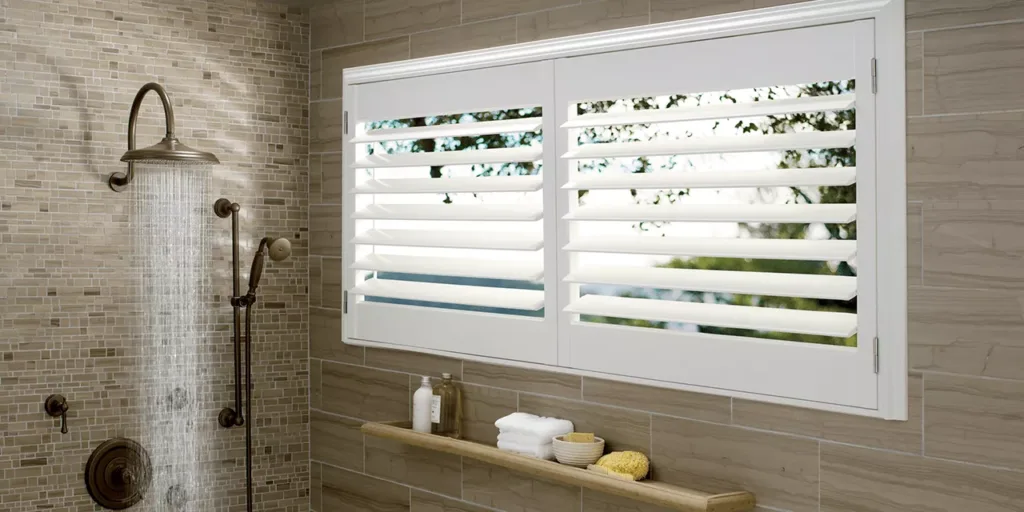
Bathroom windows call for privacy and material choices appropriate to the environment. Composite or other moisture-tolerant options may be recommended, depending on product specifications. Ventilation remains important, and direct, repeated water exposure should be addressed during the consultation.
Kitchens and Breakfast Areas
Shutters can bring structure to kitchens, particularly when their finish coordinates with cabinetry or trim. Windows near sinks, cooking surfaces, or food-preparation areas require careful material and placement decisions. Panels must have room to open without hitting faucets, shelving, or countertop objects.
Home Offices
For home offices, plantation shutter installation in Warrenton can help manage screen glare while keeping the room professional and composed. Louvers can be fine-tuned as the sun moves, giving the user more options than leaving the window completely open or closed.
How Professional Measurement Protects the Result
Shutter installation begins long before mounting day. Measurements must account for width and height at multiple points, window depth, squareness, sill shape, casing, protruding hardware, and the movement of the window itself. The professional also needs to evaluate the mounting surface and determine where fasteners can be placed securely.
Out-of-square openings are common, including in well-built homes. A custom frame can help create a level, balanced appearance, but only when the variance has been documented and incorporated into the order. Measuring only once across the center of a window is not enough.
The consultation should also address practical clearances. Will a panel hit a wall, light fixture, faucet, shelf, or furniture piece? Can the homeowner still reach the window lock? Will tilt-in windows function as expected? Resolving these questions before manufacturing protects usability as well as appearance.
What Happens During Installation?
On installation day, the work area should be reasonably clear so the installer can access the windows safely. The installer will confirm the products and openings, position and secure the frames, hang or align the panels, and make adjustments so margins and reveals appear consistent.
Professional plantation shutter installation in Warrenton includes more than attaching a frame. Panels should swing properly, remain aligned, and close without unnecessary friction. Louvers should move smoothly and hold their intended position. Magnets, catches, hinges, and other hardware should be checked, and the homeowner should receive guidance on normal operation.
Some openings require minor fit adjustments because walls and windows are rarely perfectly level or square. The objective is a secure installation with balanced spacing and reliable movement. Any questions about caulking, touch-up, trim transitions, or access to the window should be discussed before the installer leaves.
Caring for Interior Shutters
Routine care is generally simple. Dust can be removed with a clean microfiber cloth, soft duster, or vacuum attachment used at low suction. Work from the top downward so loosened dust does not fall onto an already cleaned section.
For more thorough cleaning, follow the manufacturer’s directions for the specific material and finish. Avoid soaking wood products, using abrasive pads, or applying harsh chemicals that could dull or damage the surface. Rather than forcing several louvers at once, use the intended tilt mechanism gently.
Panels should be opened using their stiles or designated hand position rather than pulling on the louvers or tilt rod. If a panel begins rubbing, sagging, or failing to stay closed, seek professional guidance. A small adjustment made early may prevent additional strain on hinges or frames.
Common Planning Mistakes to Avoid
One mistake is selecting a finish from memory. Existing trim can look bright white until compared with a sample that has a different undertone. Always review materials beside the actual casing in both daytime and evening light.
Another mistake is focusing only on the front view. Shutters must also function when panels swing open. Nearby walls, furniture, towel bars, faucets, and window hardware can change the best panel layout.
Homeowners should also avoid assuming that closed shutters create total darkness. Plantation shutter installation in Warrenton can offer excellent privacy and strong light control, but small light paths are normal in a product with movable louvers and panels. Discussing sleep needs and room orientation allows the consultant to recommend the most suitable approach.
Finally, avoid choosing solely by the lowest initial price. Material quality, construction, finish consistency, measurement, frame design, hardware, warranty, and installation all contribute to long-term satisfaction. A useful comparison looks at the complete installed solution.
Questions to Ask at Your In-Home Consultation
Before approving a shutter order, ask questions that clarify both design and performance:
- Which material is recommended for each room, and why?
- How will the finish coordinate with the existing trim?
- Which louver size best suits the window proportions and desired view?
- Will the shutters mount inside or outside the opening?
- How many panels will each window require?
- Can upper and lower louvers operate independently?
- How far will the panels swing, and is the area clear?
- Will window locks, cranks, screens, and tilt-in features remain accessible?
- What light gaps should be expected?
- What care instructions apply to the selected material?
- What product and installation warranty information is included?
- How should a specialty-shaped or unusually wide window be configured?
A knowledgeable professional should be able to explain the reasoning behind the recommendations, not simply provide a list of options.
Coordinating Shutters Across the Home
Consistency does not require every window to be identical. A common finish and louver size can create continuity, while different panel arrangements address the dimensions and functions of individual openings. A bathroom may need a moisture-appropriate material, for example, while a living room may prioritize wider views and larger panels.
Sightlines between rooms deserve attention. In an open floor plan, neighboring shutters look most cohesive when divider rails, frame details, and visible horizontal lines relate to one another. Where windows vary in height, the design can be adjusted intentionally rather than forcing an alignment that does not suit the architecture.
Homeowners completing the project in phases should discuss future rooms during the first consultation. Product collections, colors, and specifications can change over time. Planning the sequence and documenting the original choices may make later coordination easier, though an exact future match cannot always be guaranteed.
A Local Approach to Custom Window Treatments
An online image can inspire a design, but it cannot reveal whether a window is shallow, out of square, blocked by a crank, or surrounded by unusual trim. Local service for plantation shutter installation in Warrenton connects product selection to real conditions. It also allows samples to be evaluated in the light and setting where they will remain.
The Blind, Shade & Shutter Co. provides custom window treatment guidance in Warrenton and northern Fauquier County. The company also serves Loudoun County, Fairfax County, Prince William County, and Clarke County. Its offerings include blinds, shades, shutters, and motorized window treatment solutions.
For homeowners researching plantation shutter installation in Warrenton, working with a local professional can simplify the many connected decisions. Material, finish, louver size, frame, panel layout, mounting method, and window access all need to work together. A thoughtful plan results in shutters that feel suited to the home rather than added as an afterthought.
A Lasting Investment in Comfort and Character
Interior shutters offer a distinctive blend of form and function. They can make ordinary windows look more architectural, filter changing sunlight, improve privacy, and provide straightforward control for years of daily use. Their clean lines work with many decorating styles, allowing the room around them to evolve.
The best result begins with honest discussion about priorities. Some homeowners care most about preserving views. Others want privacy from a nearby street, relief from afternoon glare, a finish that matches existing millwork, or a durable option for a busy household. Those needs influence every design decision.
When the product is properly selected, measured, and fitted, plantation shutter installation in Warrenton can enhance both the appearance and usability of a home. Professional installation brings the individual pieces together so frames look balanced, panels function smoothly, and the shutter relates naturally to the surrounding architecture.
Schedule a Free, No-Pressure Consultation
If you are considering plantation shutter installation in Warrenton, The Blind, Shade & Shutter Co. can help you explore materials, finishes, louver sizes, frames, and panel configurations in your own home. A personalized consultation makes it possible to evaluate samples beside the trim, identify installation challenges, and establish realistic expectations for light control and privacy.
The Blind, Shade & Shutter Co. serves Warrenton, northern Fauquier County, Loudoun County, Fairfax County, Prince William County, Clarke County, and surrounding communities within its service
Comments are closed