
A sliding glass door can be one of the busiest places in your home. It brings daylight into the room, connects indoor living areas with the outdoors, and gives everyone a convenient route to the patio. It can also leave you managing afternoon glare, exposed interiors after sunset, and a wide opening that needs a thoughtfully planned window treatment.
Custom shutters for sliding doors offer an architectural approach to these everyday challenges. Instead of treating the glass as a separate decorating problem, shutters make the door feel like part of the room’s finished design. Adjustable louvers help manage light and visibility, while a suitable panel configuration keeps access to the door central to the plan.
The Blind, Shade & Shutter Co. helps homeowners consider window treatments that suit their homes and routines. Serving Loudoun County, Fairfax County, northern Fauquier County, Prince William County, and Clarke County, the company offers a local starting point for comparing options. Here is what to consider before choosing shutters for your sliding door.
Start With the Way Your Sliding Door Gets Used
The right treatment begins with movement. Think about who uses the door, how often it opens, and what usually travels through it. A door used for weekend entertaining has different practical demands from one that serves as the everyday route to a backyard, garden, or pet area.
When planning sliding door shutters in Franconia, start by identifying the active side of the glass door. Then consider where shutter panels would rest when open. Panels should have a planned destination that makes sense alongside your furniture, door handle, and usual walking path. The overall arrangement matters just as much as the appearance of an individual panel.
Walk through your routine before discussing finishes. Imagine carrying a tray outside, letting someone back in, or opening the door while a chair is pulled away from the table. These simple scenarios can reveal issues that are easy to miss when looking only at photographs. A consultation can turn those observations into useful questions about panel movement, clearances, and everyday access.
Take a moment to consider seasonal habits as well. You may leave the door closed during colder weather but open it repeatedly when spending time outside. A treatment that feels convenient in one season should still make sense when your routine changes. Tell the consultant whether you usually want the entire doorway accessible or mainly need a comfortable opening on the active side. That distinction helps shape the layout discussion.
Compare Bypass and Bifold Panel Arrangements
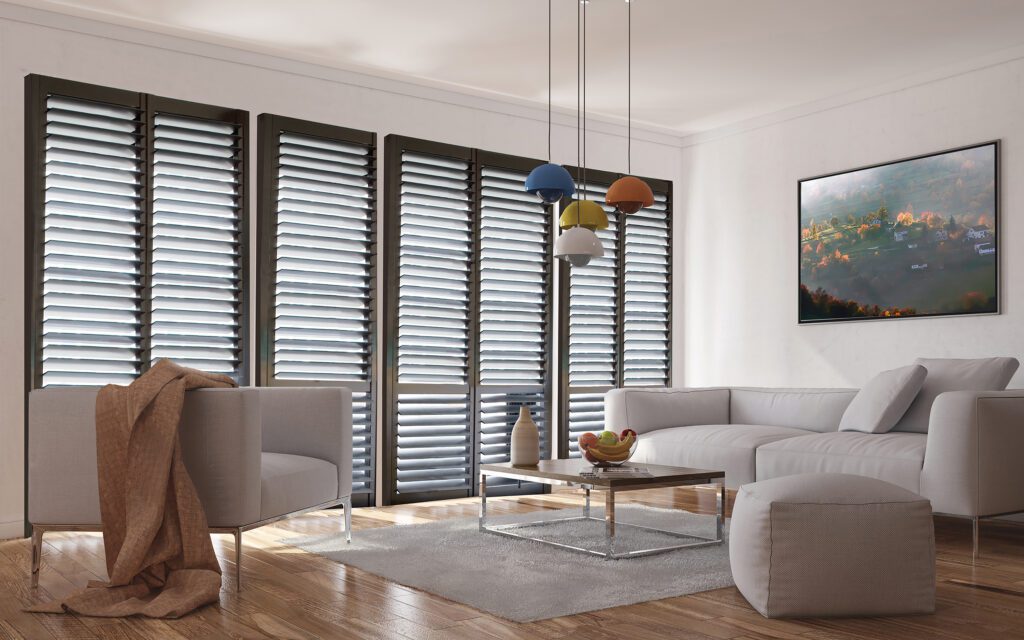
Custom sliding door shutters in Franconia may use bypass or bifold arrangements, depending on the available product and the opening. Understanding how these systems move helps you evaluate whether a particular design fits the room. Neither arrangement should be selected on appearance alone.
With a bypass system, panels travel along tracks and pass in front of or behind neighboring panels. This can work well where you want movement to stay close to the glass. However, the panel positions and track design determine how much of the opening remains accessible at a given time. Ask to see the proposed arrangement in its open and closed positions.
Bifold systems use connected panels that fold together as they move aside. Their folding action requires space, which needs to be considered near furniture and traffic routes. The size of the folded stack also affects the finished layout.
During your consultation, compare where each system parks its panels, how it interacts with the operating door, and what you need to move before opening it. A clear explanation of the movement is more useful than choosing a system based on its name.
Plan for Light Throughout the Day
A room can feel comfortable in the morning and overly bright by late afternoon. Door orientation, surrounding buildings, trees, and seasonal changes all influence how light enters. Your treatment should respond to the conditions you actually experience rather than a general assumption about how bright the room ought to be.
Choosing sliding door shutters in Franconia gives you an opportunity to manage daylight with adjustable louvers. You can change their angle to redirect light and reduce direct brightness. The result depends on the shutter design, the sun’s position, and how you adjust the louvers throughout the day.
Before a consultation, notice when the room becomes difficult to use. Does sunlight fall across the television? Does the dining table become uncomfortably bright during dinner preparation? Does a workspace near the glass need more consistent light?
Share those specific concerns so the conversation stays practical. Louver size, panel divisions, and operating details can then be discussed in relation to the room. Ask how the proposed treatment handles your most troublesome time of day, and what adjustments you would make as the light changes.
Consider Privacy From More Than One Angle
Privacy is about sightlines, not simply whether a treatment is open or closed. A neighboring patio, shared walkway, elevated deck, or nearby window can create a different view into the same room. Daytime and nighttime conditions can also feel very different when interior lights are on.
For homeowners evaluating sliding door shutters in Franconia, adjustable louvers provide a way to balance visibility and incoming light. Their position can help screen certain views while allowing some daylight through. The effectiveness depends on the direction of the view and the angle of the louvers, so it is useful to discuss the actual surroundings.
Look at your door from the places where privacy matters. Consider the view from a nearby path, an adjoining property, or a shared outdoor area. Inside, identify where people sit, work, or gather after sunset.
Be clear about your expectations. Wanting a little separation during the day is different from wanting the glass fully covered every evening. Explain both situations during your consultation. That makes it easier to assess whether the proposed shutter configuration provides the control you want without making daily adjustments unnecessarily complicated.
Measure the Opening and the Space Around It
A sliding door installation involves more than recording the width and height of the glass. The frame, trim, handle, wall depth, and surrounding surfaces all influence how a shutter system can fit. Small details can change the mounting approach or the space required for moving panels.
Professional planning for sliding door shutters in Franconia should account for the entire opening. Ask how the shutter frame will relate to existing trim and whether the proposed track or mounting position affects nearby surfaces. Door handles and locks deserve particular attention because the treatment needs to work alongside them.
Floor conditions matter, too. A nearby rug, flooring transition, or uneven surface may affect the installation discussion. Mention any planned flooring replacement or trim work before measurements are finalized. A change made afterward could alter the intended relationship between the shutters and the finished room.
Accurate measurements support a suitable fit, but the consultation should also explain what those measurements mean. You should understand where the system will sit, how far it projects, and what the finished installation will look like from the room.
Choose Materials Around Conditions at the Door
Your sliding door shutters in Franconia should be selected with the environment around the opening in mind. A kitchen door, a sunny living room door, and a basement patio door may present different conditions. Material suitability depends on the specific product, its construction, and the manufacturer’s guidance.
Ask about the options available for a wide door opening and how each handles expected exposure. Sunlight, occasional humidity, and routine household contact are worth discussing. If wet shoes, pets, or frequent outdoor traffic are part of daily life, explain that before selecting a material or finish.
Avoid assuming that every shutter material has the same capabilities. Products can differ in their permitted dimensions, maintenance requirements, finishes, and installation details. A material that performs well in one application may not be appropriate for every panel size or configuration.
Request a clear explanation of why a proposed product suits your door. Review relevant care instructions and warranty information before making a decision. Understanding those details helps you compare options based on how they will function in your home, alongside how they look in a sample.
Select Louver Size With the Whole Room in View
Louver size influences the appearance of a shutter, but it also affects the view through the treatment when the louvers are open. Wider louvers generally create fewer horizontal lines across a panel. Smaller louvers create a different visual rhythm that may suit another setting.
When comparing sliding door shutters in Franconia, look beyond a close photograph of the louvers. Consider the width of the entire door and the number of panels proposed. A design that looks restrained on a small sample can feel busier when repeated across a broad opening.
View samples from the places where you normally experience the room. Stand near the kitchen counter, sit on the sofa, or look toward the door from the entryway. Those distances can change which proportions feel comfortable.
Ask how the louver choice relates to operating clearance and the selected panel system. Practical compatibility comes first. Once the appropriate options are established, compare their appearance with your trim, cabinetry, and existing window treatments. The goal is a balanced result that supports the room without making the sliding door visually overwhelming.
Panel divisions also deserve a place in that conversation. Look at how vertical frame lines relate to the door behind them and to nearby windows. Ask whether the proposed arrangement creates a balanced appearance when closed. You should also see how it looks with panels moved aside, since that may be the position you use most often. Both views contribute to how the finished room feels throughout an ordinary day.
Coordinate the Finish With Existing Trim
A shutter finish sits directly beside features you already see every day: door casing, baseboards, nearby windows, and sometimes kitchen cabinetry. That makes finish selection especially important. Two colors that both appear white can look noticeably different when placed side by side.
For sliding door shutters in Franconia, compare available finishes in the room where they will be installed. Morning daylight, shaded afternoon light, and evening fixtures can each change how a sample appears. Hold the sample near the door trim instead of judging it against an unrelated surface.
You do not always need every finish in the room to match exactly. However, the relationship should feel intentional. A warmer shutter beside cool white trim creates a different effect from a closely coordinated pairing. Existing wood tones and wall colors also influence that decision.
Consider the view into adjoining spaces, particularly in an open floor plan. A sliding door treatment may be visible from several rooms at once. Choosing with those longer sightlines in mind can help the installation feel connected to the rest of the home, rather than selected in isolation.
Keep Furniture and Walking Paths in the Plan
Even a beautiful shutter system can feel inconvenient if a chair blocks its movement. Furniture placement should be considered early, especially in dining areas and compact family rooms. The space in front of the door is part of the installation plan.
A consultation for sliding door shutters in Franconia should include the room as you actually use it. Leave the table, chairs, pet bed, and other nearby items in their usual positions. That gives you a realistic starting point for discussing panel access and clearance.
Think about temporary changes, too. A dining chair may sit neatly under the table most of the day but project into the walkway during meals. Holiday gatherings may bring additional seating near the glass. A frequently moved ottoman can create an obstacle that does not appear in a room photograph.
Ask where you will stand to operate the shutters and where panels will move. If using the system would require rearranging the room each time, discuss another configuration. Convenience is easier to plan before ordering than to solve after the treatment is installed.
Understand What Shutters Can Do for Comfort
Large glass doors can influence how a room feels, particularly when direct sun reaches seating or work areas. Covering the glass and adjusting incoming sunlight may help make the space more comfortable. The effect varies with the door, the treatment, and the conditions outside.
Homeowners considering sliding door shutters in Franconia should describe the specific comfort issue they want to address. Reducing bright sunlight across a sofa is a different goal from addressing a draft around an aging door frame. A window treatment does not repair damaged seals or correct an underlying door problem.
Ask what the proposed product is designed to do and whether any performance information is available for that exact system. Avoid making a purchase around assumed utility savings or a promise of complete temperature control. Product construction and installation details matter.
It is also helpful to consider how you would use the shutters throughout the day. A treatment can only support your light management routine if its controls are convenient. Discuss a practical balance between keeping the room bright, limiting direct sun, and maintaining access to the outdoors.
Set Realistic Expectations for Darkness
Shutters can help reduce incoming light, but closed louvers do not automatically create blackout conditions. Light may remain visible around frames, between panels, or through operating clearances. The amount depends on the specific design and installation.
If you are choosing sliding door shutters in Franconia for a room where darkness matters, make that requirement clear at the beginning. A family room used for occasional movies has different needs from a sleeping area used during daylight hours. Explaining the intended use helps guide an honest comparison.
Ask where light gaps are expected in the proposed system. A sample can show the louver construction, while an explanation of the full installation helps you understand the edges and panel joints. Both are relevant to the finished result.
If your priority is strong room darkening, ask The Blind, Shade & Shutter Co. to compare suitable shutter and shade options. The aim is to choose a treatment around the performance you need. Matching expectations to the actual product is more useful than assuming every fully closed window treatment will deliver the same degree of darkness.
Make Cleaning Part of the Selection Process
Sliding door areas often collect fingerprints, household dust, and debris carried in from outdoors. A treatment near a kitchen may also experience occasional splashes or cooking residue. Cleaning requirements deserve attention before you choose a product.
Comparing sliding door shutters in Franconia should include a discussion of routine care. Ask which tools and cleaning methods the manufacturer recommends for the material and finish you are considering. Avoid assuming that a product can tolerate soaking, abrasive cleaners, or any household spray.
Tracks and moving parts may have their own maintenance instructions. Find out how to keep the operating area clear and what signs indicate that adjustment or service may be needed. If a panel starts to resist movement, forcing it is unlikely to be the best response.
Consider who will maintain the treatment and how easily they can reach it. Wide openings and tall panels can make accessibility more important. Clear care instructions help you understand the ongoing commitment, while a suitable configuration can make routine cleaning easier to incorporate into your household schedule.
Plan Around Everyday Life in Northern Virginia
A Franconia home may need its patio door to serve several purposes within the same day. It might bring light into a breakfast area, provide access to outdoor seating, and become a privacy concern in the evening. A useful treatment accommodates those changing needs.
The planning process for sliding door shutters in Franconia should reflect those local households and their routines. In Fairfax County, as elsewhere, the layout of the individual property matters more than a general assumption about the neighborhood. Nearby homes, shared spaces, and the orientation of your own door should guide the conversation.
The Blind, Shade & Shutter Co. also serves Loudoun County, northern Fauquier County, Prince William County, and Clarke County. Homeowners throughout those service areas can begin with the same practical questions about access, sunlight, privacy, and fit.
Keep the focus on your actual opening rather than copying another home’s installation. Different trim, furniture placement, and outdoor sightlines can change the right solution. Local service is most valuable when it leads to a careful conversation about the details of your home.

Prepare Useful Questions Before Your Consultation
A little preparation can make a window treatment consultation more productive. Gather photographs of the full door, nearby furniture, and any areas where glare or privacy causes concern. Note planned renovations and identify the side of the door you use most.
Before ordering sliding door shutters in Franconia, ask the consultant to explain the recommended configuration in everyday terms. Where do the panels go? What remains covered when the system is open? How do you reach the handle? What will the track and frame look like?
Review the proposed material, finish, louver size, and mounting approach together. Also ask what the written estimate includes, whether installation is included, and what to expect regarding scheduling. Lead times and product availability should be confirmed for your particular order.
Finally, discuss care and warranty details. You should understand both the appearance you are approving and the practical responsibilities that come with the system. A thoughtful decision combines product information with a clear picture of how the shutters will operate in your home.
Bring everyone who regularly uses the door into the decision when possible. One person may prioritize an unobstructed view, while another cares most about evening privacy or easy access outside. Discussing those preferences together can prevent misunderstandings. It also helps the consultant recommend an arrangement that serves the household as a whole. Keep a written list of your priorities so you can compare the proposal against your original goals before approving the order.
Talk With The Blind, Shade & Shutter Co.
The right sliding door treatment should make the room easier to enjoy. It should support your preferred light level, provide appropriate privacy, and fit the way people move between indoor and outdoor spaces. Those priorities deserve careful attention from the first conversation.
For sliding door shutters in Franconia, contact The Blind, Shade & Shutter Co. to schedule a complimentary consultation. Discuss your door, compare suitable options, and get guidance on the configuration and finish that make sense for your space.
Serving Loudoun County, Fairfax County, northern Fauquier County, Prince William County, and Clarke County, The Blind, Shade & Shutter Co. can help you take the next step toward a more thoughtfully finished opening. Call 703-669-2400 or email info@blindsco.com to get started.
No responses yet