

Modern homes are becoming more connected, comfortable, and responsive to the people living in them. Lighting, thermostats, security systems, and entertainment devices can all be adjusted with a button, an app, or a voice command. Window treatments are now part of that convenient experience. Professionally designed motorized window shades in Woodbridge give homeowners greater control over natural light, privacy, glare, and indoor comfort without requiring them to adjust every shade by hand.
The Blind, Shade & Shutter Co. provides custom window treatment solutions for homeowners throughout Prince William County, including Woodbridge, as well as Loudoun County, Fairfax County, northern Fauquier County, and Clarke County. Instead of settling for a one-size-fits-all product, customers can select shades that are measured for their windows, coordinated with their interiors, and configured around the way they use each room.
What Are Motorized Window Shades?
Motorized shades use a built-in motor to raise, lower, or position the window covering. Depending on the selected operating system, the shades may be controlled through a handheld remote, wall-mounted control, smartphone application, smart-home platform, or programmed schedule.
Unlike traditional shades, which require someone to pull a cord or lift a handle, motorized window shades in Woodbridge can be operated from across the room. Several shades may also be grouped together, allowing homeowners to adjust an entire room—or multiple rooms—with one command.
Motorization can be added to many popular shade styles. Available options may include roller shades, solar shades, cellular shades, Roman-style shades, woven shades, and other custom products. Compatibility varies by manufacturer, shade size, fabric, power source, and control system, so professional guidance is valuable when planning a project.
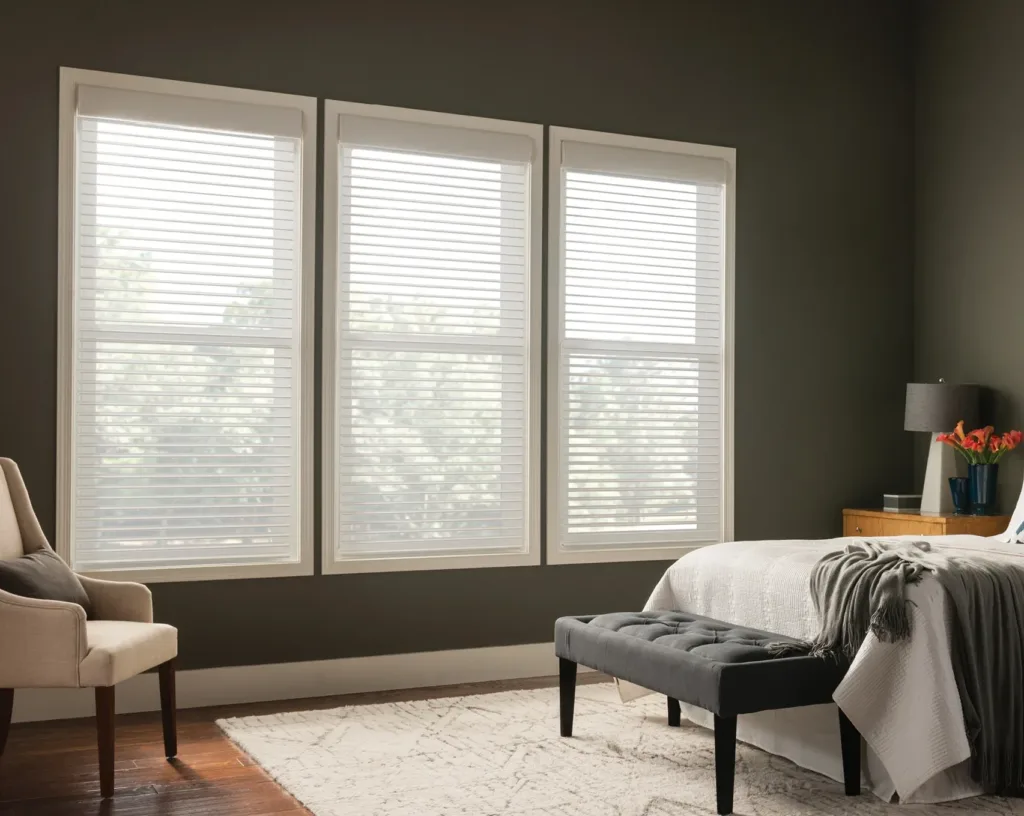
Why Woodbridge Homeowners Are Choosing Motorization
Woodbridge includes a wide range of properties, from established homes near Lake Ridge and Marumsco to newer communities around Potomac Shores and developments throughout eastern Prince William County. These homes often have different window sizes, architectural details, sun exposures, and privacy needs.
Large windows can bring beautiful daylight into a home, but they can also create glare and uneven temperatures. Closely spaced homes may require dependable privacy at particular times of day. Tall foyers, stairwell windows, and windows placed above furniture can be difficult to reach safely. Motorized window shades in Woodbridge provide a practical way to manage these challenges while maintaining a clean, coordinated appearance.
Motorization is not simply about adding technology for its own sake. It can make a home easier to use every day. A shade that is inconvenient to operate may remain open or closed regardless of changing conditions. A motorized shade is much more likely to be adjusted when needed because the process is quick and simple.
Everyday Convenience for Busy Households
Morning and evening routines often involve adjusting several window treatments throughout the house. Homeowners may open bedroom shades after waking, lower shades in a sunny home office, close street-facing shades after dark, and adjust living room shades before watching television.
With motorized window shades in Woodbridge, these individual tasks can be completed using presets or grouped controls. A morning setting might open selected shades to welcome daylight while leaving privacy shades closed. An evening setting could lower shades in the living areas and bedrooms with a single command.
This convenience can be especially useful in larger homes where shades are spread across multiple floors. It also helps when windows are located behind sofas, desks, bathtubs, kitchen counters, or other obstacles. Instead of reaching over furniture or walking from window to window, homeowners can position their shades from a convenient control.
Helpful for Hard-to-Reach Windows
Some of the most dramatic windows are also the most difficult to operate. Two-story great rooms, high stair landings, vaulted spaces, and windows above entry doors can add architectural interest while creating a practical problem.
A motorized system allows these shades to be used as intended. Homeowners do not have to leave a high window uncovered simply because it is inconvenient to reach. They can adjust the shade safely from the floor and respond to changing sunlight throughout the day.
For high or unusually positioned windows, professional measuring and product selection are particularly important. The shade’s dimensions, weight, mounting surface, and power requirements must all be considered before installation.
Better Light Control Throughout the Day
Sunlight changes constantly as it moves across a home. A room that feels comfortable in the morning may experience intense glare in the afternoon. West-facing windows can receive strong late-day sun, while east-facing bedrooms may become bright very early.
Motorized window shades in Woodbridge allow homeowners to respond to those changes without repeatedly stopping what they are doing. Shades may be lowered to a preferred position when direct sun reaches a room and raised again when the light becomes softer.
Scheduled operation can make this process even more consistent. For example, shades in a west-facing family room could lower before the strongest afternoon sunlight arrives. Kitchen shades could open after sunrise, while bedroom shades could close automatically in the evening.
Automated schedules can usually be adjusted as seasons and routines change. Homeowners are not limited to a single permanent setting. They can modify the timing, choose different positions, or temporarily override a schedule when they want direct control.
Reducing Glare on Screens and Workspaces
Televisions, computer monitors, tablets, and other screens are found throughout today’s homes. When sunlight reflects across them, it may become difficult to watch a program, participate in a video meeting, or complete detailed work.
A properly selected motorized shade can reduce direct glare while preserving useful daylight. In some rooms, lowering the shade partway may be enough to improve visibility. In others, a more light-controlling material may be appropriate.
Home offices are particularly good candidates for motorized window shades in Woodbridge because lighting conditions may change during the workday. Rather than interrupting a meeting to adjust several windows, the homeowner can use a remote, wall control, or programmed scene.
The fabric selection matters just as much as the motor. Openness, color, opacity, and material composition affect how much light enters the room and how clearly someone can see through the shade. A professional consultation makes it easier to balance glare control with the desire for natural light.
Greater Privacy Without Sacrificing Daylight
Privacy requirements often change between daytime and nighttime. During the day, homeowners may want natural light while limiting visibility from the street or neighboring properties. After sunset, interior lights can make rooms more visible from outside, increasing the need for coverage.
Custom shades can be positioned according to the time of day and the location of each window. Street-facing rooms, bathrooms, bedrooms, and windows near neighboring homes may need more privacy than rear-facing windows overlooking a wooded area.
By programming motorized window shades in Woodbridge to lower at a selected evening time, homeowners can make privacy part of their routine. They can still operate the shades manually whenever plans change, but the schedule helps ensure that frequently used rooms are covered consistently.
No single fabric provides the ideal balance for every room. Light-filtering materials may soften daylight without creating complete nighttime privacy. More opaque fabrics provide stronger coverage but reduce the outdoor view when closed. Comparing samples in the room helps homeowners understand these differences before choosing.
Supporting Indoor Comfort and Energy Management
Windows are an important part of a home’s appearance, but they can also influence indoor temperatures. Direct sunlight may add noticeable heat to rooms during warmer months. During colder weather, glass can feel cool and contribute to drafts or heat loss.
Motorized window shades in Woodbridge can support a more comfortable indoor environment by making shade use more consistent. Lowering shades during periods of strong summer sun may reduce solar heat entering a room. Closing suitable shades at night during cold weather can add another layer between the living space and the glass.
Window shades do not replace insulation, efficient windows, or a well-maintained heating and cooling system. However, they can be part of a broader strategy for managing sunlight and comfort. The exact performance depends on the shade style, material, fit, window type, and installation.
Cellular shades are often considered when insulation is a priority because their pockets are designed to trap air. Solar shades are commonly selected for glare and solar control while maintaining varying degrees of outward visibility. Other shade styles can deliver different combinations of softness, privacy, and light management.
A Cord-Free Option for Cleaner Interiors
Motorization eliminates the need to raise and lower shades with a traditional operating cord. That creates a cleaner appearance at the window and reduces visual clutter, particularly when multiple shades are installed in one room.
Cord-free operation is also appealing to households with children or pets. Although homeowners should still discuss current product safety features and proper use during their consultation, eliminating accessible operating cords can simplify the window area.
The streamlined look of motorized window shades in Woodbridge works well in both contemporary and traditional interiors. The technology is typically integrated discreetly into the shade, allowing the fabric, color, and overall design to remain the visual focus.
Motorization can also help shades stay more orderly. Because the motor raises and lowers the treatment in a controlled manner, users are less likely to pull unevenly or handle the fabric unnecessarily.
Choosing the Right Shade Style
Motorization is an operating method, not a single window treatment style. The right combination begins with understanding what the room needs.
Roller Shades
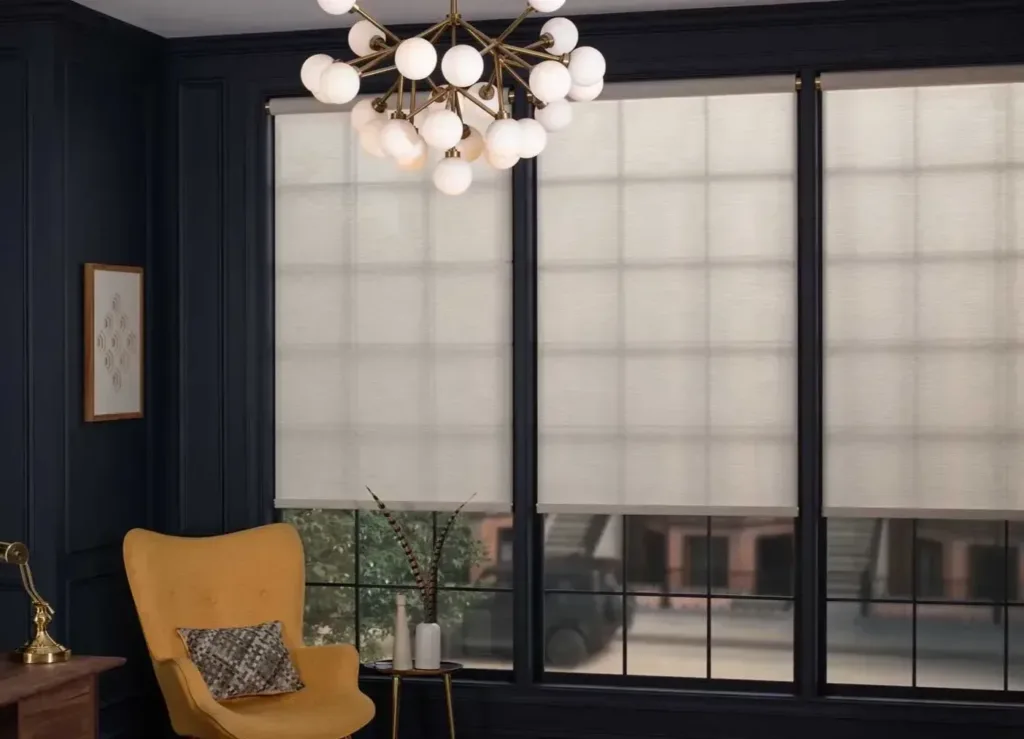
Roller shades offer a simple profile and a broad selection of materials. They can provide gentle light filtering, significant room darkening, decorative texture, or solar control. Their straightforward design makes them suitable for many interiors and window sizes.
Solar Shades
Solar shades are designed to reduce glare and manage sunlight while maintaining a degree of outward visibility. The openness of the material affects the view, privacy, and amount of light passing through it. They can be particularly helpful in living rooms, offices, and spaces with strong sun exposure.
Cellular Shades
Cellular shades have a structured design featuring air pockets. They offer a soft appearance and are frequently chosen by homeowners interested in light control and added insulation at the window.
Roman-Style Shades
Roman-style shades introduce folds of fabric-like material for a tailored, decorative appearance. They can bring softness and dimension to a room while still offering convenient motorized operation.
The best motorized window shades in Woodbridge are selected by considering the entire window rather than choosing a motor first. Window dimensions, depth, trim, sun exposure, desired privacy, room function, and decorating style all influence the recommendation.
Understanding Power Options
Motorized shades require a power source, and the best option depends on the home, the windows, and the scope of the project.
Battery-Powered Systems
Battery-powered shades are popular because they can often be installed without opening walls or running electrical wiring. Depending on the system, the batteries may be disposable or rechargeable. Battery life varies based on shade size, product weight, usage frequency, and motor type.
Rechargeable systems usually need occasional access for charging. That should be considered for high windows or areas above staircases. A professional can explain how charging or battery replacement works before the product is ordered.
Hardwired Systems
Hardwired motorization can be an excellent choice for new construction, major remodeling projects, or homes where wiring can be planned before walls are finished. It eliminates routine battery replacement or charging, but it requires coordination with appropriate building professionals.
Plug-In Systems
Some products can operate through a nearby electrical outlet. This may be suitable for certain windows, although cord placement and outlet access should be evaluated carefully.
When planning motorized window shades in Woodbridge, homeowners should discuss both their immediate preferences and their long-term expectations. A battery solution may be ideal for a few existing windows, while hardwiring may make more sense for a whole-home renovation.
Remote Controls, Apps, and Smart-Home Integration
The control method determines how homeowners interact with their shades. A handheld remote is often the simplest option. It can control one shade, several individual shades, or groups of shades, depending on the system.
Wall-mounted controls provide a familiar experience similar to using a light switch. They are convenient in frequently used rooms and reduce the need to keep track of a remote.
App control can provide more options for naming rooms, creating groups, scheduling movement, and managing shades from a compatible device. Some systems may also integrate with popular smart-home platforms or voice assistants.
Compatibility should never be assumed. Smart-home systems, hubs, wireless protocols, and manufacturer requirements can differ. Homeowners should identify any platforms they already use during the consultation so the window treatment specialist can recommend compatible options.
The goal is to make operation intuitive. The most advanced feature is not always the most useful one. Some households prefer a dedicated remote, while others want extensive scheduling and whole-home automation. A good design reflects the customer’s actual routine.
Using Scenes and Schedules
A scene is a saved group of shade positions created for a particular activity. Instead of adjusting every window separately, the homeowner activates the scene and the shades move to their assigned positions.
Possible scenes include:
- A morning scene that opens shades in common areas
- A work scene that reduces glare in the home office
- A movie scene that lowers shades near the television
- A dinner scene that balances privacy and remaining daylight
- A bedtime scene that closes bedroom and street-facing shades
- An away scene that changes shade positions while the home is unoccupied
Scheduled motorized window shades in Woodbridge can also make the house appear active when residents are traveling. Changing shade positions does not replace locks, alarms, cameras, or other security measures, but it can help avoid leaving every shade in exactly the same position for an extended period.
Homeowners should begin with a few useful schedules instead of automating every movement immediately. After experiencing the system in daily life, they can refine the timing and add new scenes based on their habits.
Where Motorized Shades Make the Greatest Difference
Although almost any room may benefit from motorization, certain locations offer especially noticeable advantages.
Living Rooms and Great Rooms
Living spaces often contain multiple windows and receive changing sunlight throughout the day. Grouped control makes it easy to create a consistent appearance and adjust the entire room at once.
Bedrooms
Scheduled shades can support morning and evening routines. Room-darkening options may be selected for homeowners who want stronger light control, although small light gaps may still occur depending on the product and mounting method.
Home Offices
Precise shade positioning helps manage screen glare while retaining comfortable natural light. The ability to make quick adjustments can be valuable during calls and focused work.
Media Rooms
Motorized shades can lower before a movie or sporting event and return to their previous position afterward. Fabrics with stronger light control may be appropriate for these spaces.
Kitchens
Windows above sinks, counters, or breakfast areas may be awkward to reach. Motorization provides convenient operation without requiring homeowners to lean over a work surface.
Tall Entries and Stairwells
These areas may contain windows that are nearly impossible to adjust manually. Motorization makes the window covering functional while avoiding unsafe reaching or climbing.
The Importance of Custom Measurement
Even excellent motor technology cannot compensate for a poorly fitted shade. Accurate measurements help the product operate correctly and create a polished appearance.
Windows that look identical may have slightly different dimensions. Trim may be uneven, frames may not be perfectly square, and mounting depth may vary. The installer must also account for handles, locks, sensors, and other obstructions.
Custom motorized window shades in Woodbridge are designed around the specific opening and the chosen mounting method. An inside mount can create a built-in appearance when sufficient depth is available. An outside mount may provide more coverage or work better when the window frame cannot accommodate the shade.
For large windows, several narrower shades may be recommended instead of one extremely wide treatment. This can affect alignment, light gaps, controls, and the final look, making professional planning important.
Fabric and Color Considerations
Shade material influences far more than appearance. It affects privacy, glare, heat gain, outward visibility, and the amount of light entering the room.
Light-filtering shades soften sunlight and help create a bright, comfortable atmosphere. Room-darkening materials block more light and may be preferred in bedrooms or media spaces. Solar fabrics are available in different openness levels, allowing homeowners to choose the balance between view preservation and stronger solar control.
Color also matters. Lighter colors may blend quietly with walls and trim, while darker materials can create contrast and sometimes improve the view through certain solar fabrics. Texture can make a neutral shade feel more decorative without overwhelming the room.
Samples should be viewed in the actual space whenever possible. A material can look different under showroom lighting than it does beside a sunny Woodbridge window. Evaluating it in both natural and artificial light helps homeowners make a confident selection.
Professional Installation Protects the Experience
Motorized products combine window treatment design with mechanical and electronic components. Proper installation helps the shade move smoothly, sit level, communicate with its controls, and stop at the correct upper and lower limits.
During installation, the mounting surface and appropriate hardware must be considered. The installer may also program channels, group shades, set travel limits, and demonstrate basic operation.
Professionally installed motorized window shades in Woodbridge give homeowners a clear point of contact if questions arise. Instead of trying to coordinate measurements, product compatibility, controls, and installation separately, customers can work with a window treatment company that understands the complete system.
Before the installer leaves, homeowners should understand how to use the controls, charge or replace batteries when applicable, adjust schedules, and perform basic care. Instructions should be kept in an accessible place for future reference.
Caring for Motorized Shades
Routine care is generally straightforward. Dust can often be removed with a soft duster, microfiber cloth, or low-suction vacuum attachment, depending on the material. Homeowners should follow the manufacturer’s instructions because cleaning methods vary among fabrics and shade styles.
The shade should be kept free of objects that could interfere with movement. Furniture, plants, decorations, and open windows should not obstruct the bottom rail or fabric.
If a shade stops moving, checking the power source and control battery is a sensible first step. Homeowners should avoid pulling forcefully on a motorized product unless the manufacturer specifically provides a manual operating method. Questions involving programming, alignment, unusual noise, or inconsistent movement are best directed to the window treatment professional.
Planning a Whole-Home or Phased Project
Some homeowners want to motorize every suitable window at once. Others begin with a few priority rooms and expand later. Both approaches can work well.
A whole-home project can create consistent controls, coordinated fabrics, and unified scheduling. It may be especially appealing during construction or a major renovation when electrical and design decisions are already being made.
A phased project lets homeowners begin with the windows that provide the greatest benefit, such as high windows, the main living area, the primary bedroom, or a home office. When future expansion is likely, it is helpful to discuss that plan during the first consultation. Product lines and control systems can then be selected with consistency and compatibility in mind.
Careful planning helps ensure that future motorized window shades in Woodbridge can work naturally with the shades already installed. Homeowners should retain product information, fabric details, control documentation, and programming notes after each phase.
Questions to Ask During a Consultation
A consultation is the ideal time to discuss how the windows and rooms are actually used. Helpful questions include:
- Which shade styles can be motorized for these window dimensions?
- What power options are available?
- How often will batteries need to be charged or replaced?
- Can several shades operate as one group?
- Can family members still control each shade individually?
- Is the system compatible with an existing smart-home platform?
- What happens if internet service is unavailable?
- How much privacy will the selected fabric provide at night?
- Will the material reduce glare while preserving the view?
- What maintenance does the shade require?
- How should tall or unusually shaped windows be handled?
- Can the system be expanded in the future?
Homeowners should also explain whether their priority is convenience, privacy, light control, energy management, child-friendly operation, smart-home integration, or a combination of these benefits. Clear priorities lead to better product recommendations.
Custom Window Treatments for Woodbridge and Northern Virginia
A successful motorized shade project begins with understanding the home. Window direction, room layout, neighborhood spacing, daily schedule, and decorating preferences all matter. The right solution for a sunny great room in Woodbridge may be very different from the right choice for a bedroom, office, or stairwell.
The Blind, Shade & Shutter Co. serves Woodbridge and communities throughout Prince William County, along with Loudoun County, Fairfax County, northern Fauquier County, and Clarke County. The company offers custom blinds, shades, shutters, and motorization solutions designed for the individual window and household.
For homeowners ready to explore motorized window shades in Woodbridge, a professional consultation provides an opportunity to compare styles, fabrics, power options, and controls in detail. Thoughtful selection and accurate installation can transform difficult-to-reach or frequently adjusted windows into an effortless part of everyday life.
To schedule a consultation with The Blind, Shade & Shutter Co., call 703-669-2400 or email info@blindsco.com.
Comments are closed